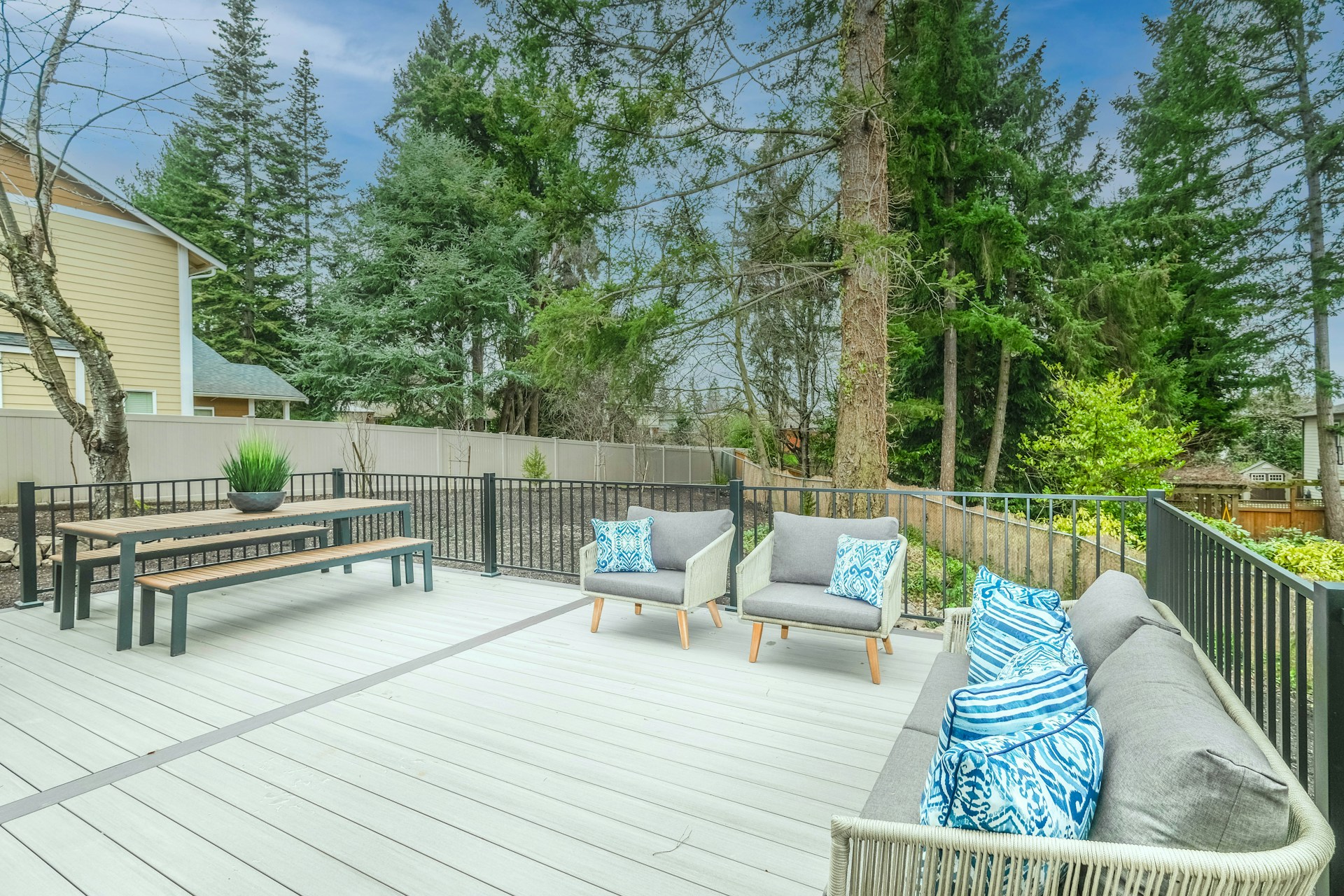
Understanding Composite Decking Installation in MA
Why Composite Decking Fits Massachusetts Homes
Composite decking has become a smart choice for many Massachusetts homeowners who want an outdoor space that stands up to local weather without constant upkeep. Between heavy snow, ice, spring rain, and hot, humid summers, decks in our region have to work hard all year. Composite materials are designed to handle these conditions while staying stable and looking good for a long time.
Unlike many wood options, composite boards are less likely to cup, split, or warp as temperatures swing above and below freezing. They resist rot, do not attract insects the way natural wood can, and hold color more consistently under strong sun. That means fewer weekend projects refinishing boards and more time actually enjoying the deck. As a locally owned contractor based in Lunenburg, we at Horizon Deck & Patio work with composite decking installations across MA, so we understand how to design and build decks that suit both the climate and local building codes.
What to Consider Before Choosing Composite Decking
When you are planning a new outdoor space, it helps to compare common materials. Pressure-treated wood usually has the lowest upfront price, but it typically needs regular staining or sealing and careful maintenance to help prevent rot and decay. PVC decking is another low-maintenance material, although it has a different look and feel than composite and can get warm under direct sun. Composite decking typically lands in the middle or higher range for initial cost, but maintenance needs are generally lower than wood, which can make it appealing over the long term.
Composite products come in a wide range of appearances, so you are not locked into a single style. Many lines include wood-look textures and grain patterns, various plank widths, and color palettes that work well with traditional New England exteriors like colonial, cape, or farmhouse homes. Coordinating railing systems can match or contrast with the deck surface, and you can choose designs that lean classic, modern, or somewhere in between.
Before committing to composite, we encourage homeowners to think through how the space will really be used. Helpful questions include:
What is the overall budget, including railings, stairs, and lighting?
How frequently will the deck be used for entertaining or daily living?
How much sun and shade will hit the surface during the day?
Is added privacy important from neighbors or the street?
Are built-in benches, planters, or lighting part of the wish list?
Your answers shape not only material choice but also layout, railing style, and any added features to make the deck more comfortable and functional.
How the Composite Deck Design Process Works in MA
A successful composite deck starts with a thorough design. Our process at Horizon Deck & Patio begins with an on-site consultation. We look at the property, measure the area, consider how the deck will tie into the house, and talk through how you want to use the space. That might include dining, grilling, relaxing, a hot tub, a pool connection, or a mix of different zones.
Massachusetts-specific details always play a role in design. Snow load matters for structural planning and railing choices. Stairs and egress must meet safety requirements, and we pay attention to the locations of existing doors, windows, and walkways. Setbacks from property lines and how the deck connects to any existing porch or patio also affect the layout.
At the design stage, homeowners typically receive:
Layout options that show size, shape, and traffic flow
Material recommendations for decking, railing, and trim
Sample boards to compare colors and textures on site
An estimated timeline and budget based on the chosen direction
This helps you see how the finished space will look and feel before any construction begins.
Step-by-Step Composite Decking Installation in MA
Once the plan is set and permits are in place, we move into installation. The first step is site preparation and framing. We set the ledger board correctly against the house to protect the building envelope, using appropriate flashing and fasteners to help prevent water intrusion. Footings are dug below the local frost line, which is especially important in Massachusetts to limit movement during freeze-thaw cycles. The structural frame is then built to meet code requirements, with proper beams, posts, and joist spacing.
Proper installation of composite deck boards is essential to long-term performance. We follow manufacturer guidelines carefully, including recommended joist spacing, board orientation, and the use of compatible hidden fasteners. Ventilation gaps are left where required so moisture can escape, and fascia boards are installed to cover framing edges and give the deck a finished look. Attention to these details helps prevent issues like trapped moisture or movement of boards over time.
Finishing touches are what make a deck comfortable and safe. That includes railings that meet height and spacing codes, stairs with even rises and secure treads, and any lighting needed for evening use. Skirting can be added to hide the underside of the deck and discourage animals from nesting. Transitions to patios, sliders, or walkways are handled carefully so there are no awkward steps or tripping points.
Codes, Permits, and Inspections for MA Composite Decks
Decks in Massachusetts must follow state and local building codes, which cover structure, safety, and access. Guardrail height, baluster spacing, and stair dimensions all have minimum standards. Structural requirements address how the deck is supported, how it connects to the house, and how it resists loads from people, furniture, and snow. Composite decking products may also have specific installation guidance that must be followed to meet code expectations.
Most towns require a building permit before deck construction. Typically, building departments ask for a site plan showing the deck location, basic structural details, and sometimes engineering input for certain designs. Review times vary by town, so it is helpful to factor this into your project schedule.
As a local contractor, we handle permits and coordinate inspections as part of our process on composite decking installations in MA. That includes communicating with inspectors, answering structural questions, and making sure the work is ready when inspection dates are scheduled. This helps keep the project moving smoothly and supports a safe, code-compliant finished deck.
Maintenance Tips to Maximize Your Composite Deck’s Lifespan
One of the big reasons homeowners choose composite decking is that it generally requires less maintenance than wood. You do not need to stain or seal it regularly, and it is designed to resist rot and insect damage. That said, some simple seasonal care helps keep it looking its best in Massachusetts weather.
Good maintenance habits include:
Giving the deck a gentle cleaning in spring and fall
Clearing leaves and debris from gaps between boards
Using manufacturer-approved cleaners instead of harsh chemicals
Avoiding metal shovels that can scratch the surface when removing snow
Keeping nearby plants trimmed to promote airflow and reduce moisture buildup
In shaded or damp areas, occasional cleaning helps reduce the chance of surface mold or mildew. While many composite products carry warranties and have a long expected lifespan, it is still wise to periodically check railings, fasteners, and framing connections. Tightening or addressing minor issues early can extend the usable years of the structure underneath the composite surface.
Over time, a well-planned and properly installed composite deck can provide a comfortable, attractive outdoor living area that stands up well to Massachusetts seasons. With thoughtful design, attention to building codes, and straightforward maintenance, your deck can remain a reliable part of your home for years of everyday use and gatherings.
Transform Your Outdoor Space With Lasting Composite Decking
If you are ready to upgrade your backyard with a low-maintenance, long-lasting deck, our team at Horizon Deck & Patio is here to help. Explore how our composite decking installation in MA can give you a beautiful, durable space tailored to your home and lifestyle. Tell us about your project, and we will walk you through design options, materials, and a clear installation timeline. Get started today by reaching out through our contact page.